
Emerging Technologies in the Defense Sector
Overview of Emerging Technologies
Emerging technologies in the defense sector are tools and systems that are moving from experimental use into practical operations. In defense, that usually means technologies that can improve speed, awareness, resilience, or decision quality, while also changing how teams plan, communicate, and manage risk.
The current set of high-impact technologies includes artificial intelligence, autonomous and semi-autonomous systems, drones, advanced cybersecurity tools, secure communications, edge computing, and data analytics. None of these is useful by reputation alone. The real question is whether a capability can survive contact with real operational constraints: weather, bandwidth, human oversight, procurement timelines, training burden, and security requirements.
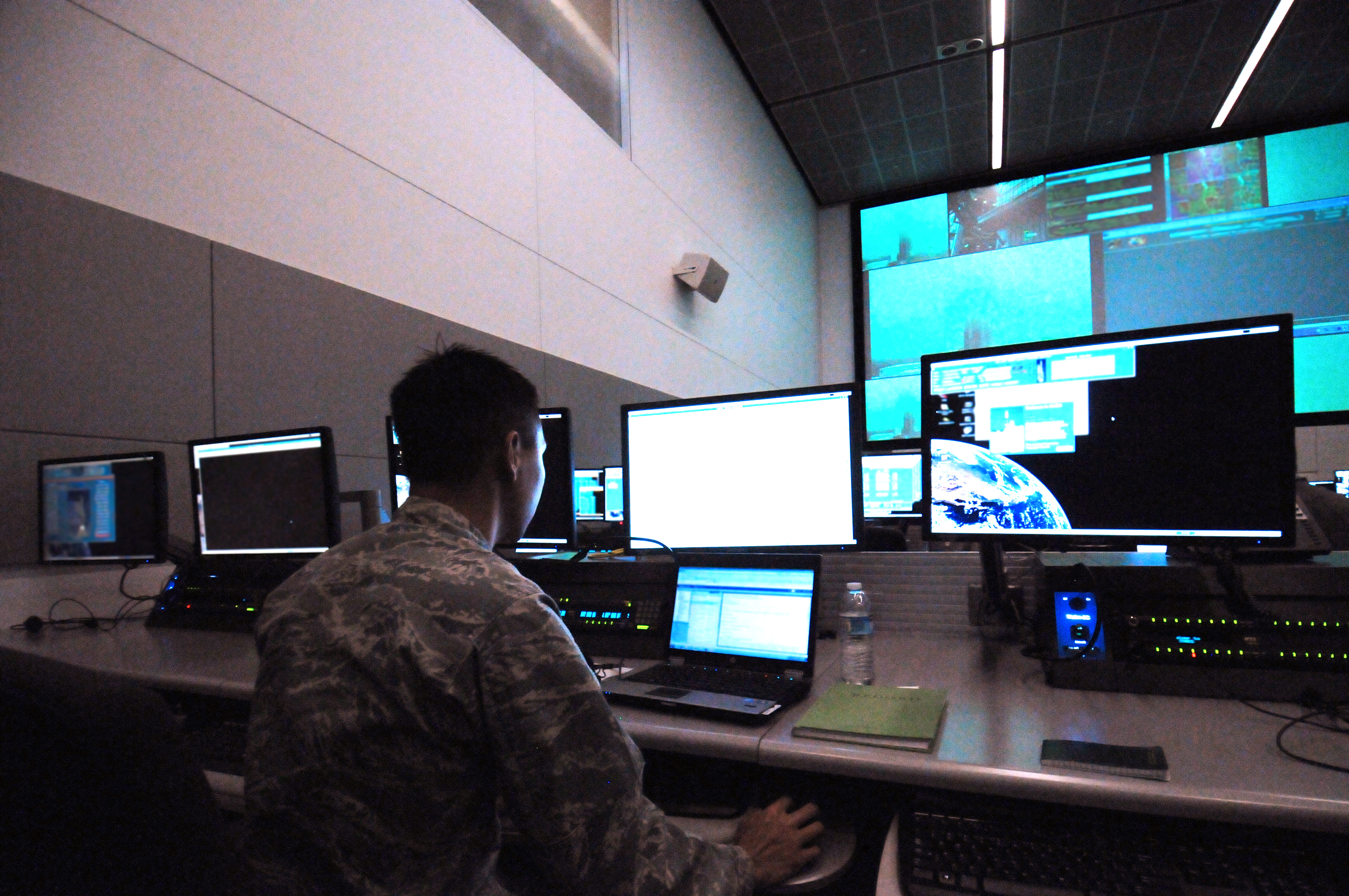
For readers who want a broader picture of the organization behind this site, the About page explains DCI’s background, while the Services page outlines the kinds of support services that can matter when technology needs to be integrated into existing operations.
Two credible background references are worth keeping in view: the U.S. Department of Defense responsible AI strategy and the NIST Zero Trust Architecture guidance. Both show how defense technology is shaped by governance as much as by hardware or software.
Impact on Defense Strategies
These technologies are changing defense strategy in a few consistent ways:
- Faster sensing and response: AI-assisted analysis and sensor fusion can shorten the gap between detection and action.
- More distributed operations: Drones, autonomous platforms, and edge systems reduce dependence on a single control center.
- Greater emphasis on resilience: Cybersecurity is no longer a support function; it is part of operational readiness.
- Higher training demand: New systems often require new workflows, new roles, and more disciplined oversight.
The best defense strategy is not the one with the most technology. It is the one that uses technology to improve mission outcomes while staying realistic about maintenance, reliability, and human decision authority.
| Technology | Potential benefit | Main tradeoff |
|---|---|---|
| AI decision support | Quicker pattern recognition and triage | Model bias, explainability, and oversight burden |
| Drones and autonomous systems | Lower risk to personnel and broader reach | Jamming, limited endurance, and rules-of-engagement complexity |
| Cybersecurity platforms | Better monitoring and response | Constant patching, user friction, and alert fatigue |
Future Implications
In the next few years, defense organizations will likely focus less on isolated tools and more on integrated systems that can share data securely across platforms. That shift favors organizations that can define clear governance, procurement criteria, and training paths before deployment.
Three issues will matter most:
- Ethical control: Human oversight remains essential, especially when decisions affect safety, escalation, or use of force.
- Security exposure: Every connected system creates a larger attack surface.
- Interoperability: A useful capability must work across agencies, contractors, and legacy systems.
For a broader technical baseline, the NIST cybersecurity resources and the OECD AI principles help frame the governance questions that often determine whether a defense technology scales responsibly. The machinery may be new; the constraints are familiar.
Case Studies of Technology Implementation
Case studies are useful because they show where theory meets operational limits.
Case Study 1: AI for maintenance and logistics
Defense organizations have increasingly used AI-supported forecasting to anticipate maintenance needs and reduce equipment downtime. The lesson is not that AI replaces logistics teams. The lesson is that it can help teams prioritize work earlier, if the data feeding the system is clean and consistently maintained.
Case Study 2: Drones for surveillance and assessment
Drones are often adopted first for reconnaissance, inspection, and damage assessment because those uses are easier to evaluate than fully autonomous missions. The practical advantage is range with lower exposure. The practical risk is overreliance on systems that can be degraded by weather, signal disruption, or battery limits.
Case Study 3: Cyber defense modernization
Organizations that move toward zero trust and continuous monitoring usually do so after repeated lessons about perimeter-based security failing under real conditions. The gains can be substantial, but only when policy, user training, and identity management are treated as part of the system rather than as afterthoughts.
In each case, the decision criteria are similar: mission fit, resilience, integration cost, training burden, and the ability to measure outcomes. That is the useful part. Technology should earn its place.
How to Evaluate Emerging Defense Technologies
- Does it solve a mission problem that matters now?
- Can it integrate with existing systems and workflows?
- What new risks does it introduce?
- Can the organization train and support it at scale?
- How will success be measured after deployment?
These questions are more durable than vendor claims, and usually more valuable too.
For readers comparing options or planning implementation, the safest reasonable default is to start with a narrowly defined operational problem, measure outcomes, and expand only after the team can show the system works in practice.