Understanding Digital Transformation in Aerospace
Understanding Digital Transformation in Aerospace
Digital transformation in aerospace is not one technology, one software platform, or one dramatic keynote slide. It is the steady replacement of manual, fragmented processes with connected systems that help engineers, operators, and managers make better decisions faster. In an industry where a small mistake can become an expensive headline, that matters.
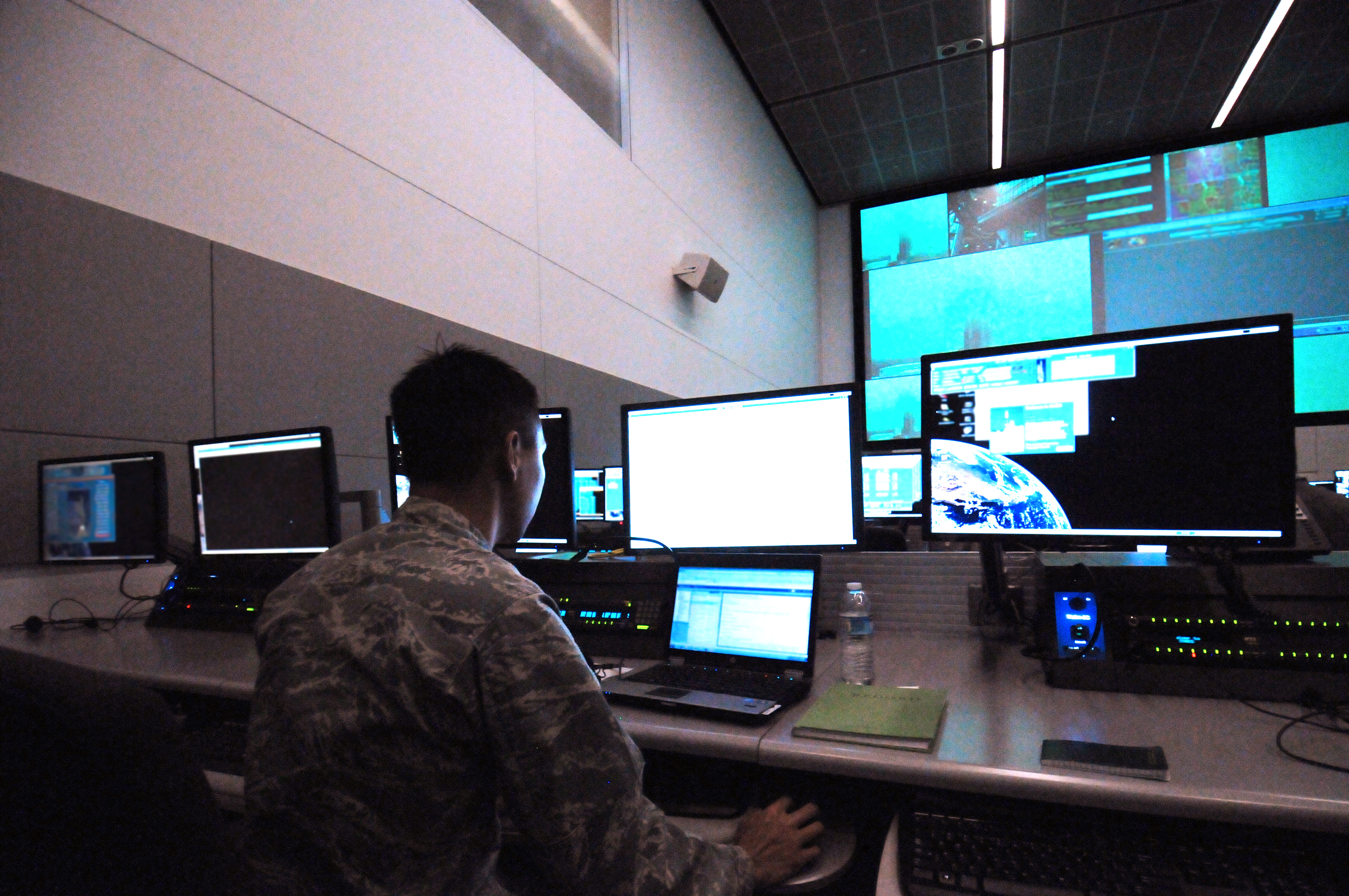
For aerospace organizations, the practical goal is simple: improve safety, reduce downtime, tighten quality control, and keep operations visible from the factory floor to the flight line. That usually means better data flow, fewer blind spots, and more discipline around change. Order is expensive; so is chaos. Aerospace tends to prefer the first one.
What digital transformation means in aerospace
At its core, digital transformation is the use of digital tools to rethink how work gets done. In aerospace, that can include connected maintenance systems, real-time asset tracking, digital twins, predictive analytics, and cloud-based collaboration across design, manufacturing, and support teams.
The topic is broader than software adoption. It is about operating a complex industry with better information. McKinsey’s aerospace and defense research has repeatedly pointed to the role of digital operations and advanced analytics in improving performance across large industrial systems. See McKinsey’s aerospace and defense insights for a broader industry view.
Key technologies driving change
Artificial intelligence
AI is most useful in aerospace when it helps teams spot patterns that humans would miss or would rather not search for by hand. Examples include predictive maintenance, anomaly detection, defect identification in inspection workflows, and scheduling support.
NIST’s overview of artificial intelligence research and standards is a useful reference point for organizations trying to understand the technology without turning every conversation into a vendor demo.
Internet of Things
IoT connects aircraft components, ground equipment, tools, and facilities so that data can move in real time. In practice, this supports condition monitoring, parts traceability, and faster response when something drifts out of spec.
Data analytics and big data
Aerospace produces a large volume of operational data. The value is not in collecting it for decoration. The value is in turning it into useful signals for maintenance planning, production quality, supply chain visibility, and operational forecasting. NASA’s work on advanced aerospace research shows how data-intensive systems support technical decision-making across complex missions.
Cloud computing
Cloud platforms help aerospace teams share data, coordinate programs, and scale tools without rebuilding every environment from scratch. For organizations with distributed suppliers or multiple sites, cloud systems can reduce version confusion, which is one of the least glamorous but most persistent business risks in engineering work.
Real-world examples in aerospace
Digital transformation is easiest to understand when it leaves the presentation deck and shows up in operations.
| Example | What changed | Why it matters |
|---|---|---|
| Rolls-Royce engine health monitoring | Connected monitoring and analytics support predictive maintenance for engines in service | Helps reduce unplanned downtime and improves maintenance planning |
| Boeing digital manufacturing initiatives | Digital tools support design, production, and quality workflows across complex programs | Improves traceability and coordination in a highly regulated environment |
| Airbus smart factory efforts | IoT and data systems support connected manufacturing operations | Strengthens visibility across production and quality control |
For more on how aerospace companies structure technology upgrades, the services page explains how DCI supports practical business and operations needs. Readers who want the organization background can also visit the about page.
Industry bodies such as SAE International also shape how aerospace organizations think about standards, engineering practice, and interoperability. Standards are not glamorous, but they are the reason the wheels stay on the metaphorical aircraft.
Future trends to watch
Several trends are likely to shape the next phase of aerospace digital transformation:
- More automation: Routine inspection, scheduling, and reporting will keep moving toward machine-assisted workflows.
- Deeper AI integration: AI will increasingly support maintenance, quality assurance, and decision support rather than remaining a side experiment.
- Blockchain for traceability: Some organizations are testing distributed ledger tools for parts provenance and supply chain visibility.
- Sustainability tracking: Digital systems will play a larger role in monitoring fuel efficiency, emissions, and resource use.
The real question is not whether aerospace will digitize further. It already has. The question is whether leaders will choose systems that improve visibility and control, or continue paying for complexity in monthly installments.
Bottom line
Digital transformation in aerospace is about better operations, not software worship. The organizations that benefit most are the ones that connect data, standardize processes, and use technology to support decisions instead of replacing them with optimism.
For aerospace teams planning their next step, the priority is to identify the operational bottleneck first, then choose the tool that removes it. That is usually cheaper than buying the tool and discovering the bottleneck later.